One tiny slip could turn a simple stitch into a painful mistake. Hidden in traditional sewing kits, a small dimpled cup stood between hardworking fingers and the needle’s sharp point, making difficult work feel safer and more controlled. Yet this humble object became more than a shield, carrying a personal significance that went far beyond its promise of prot
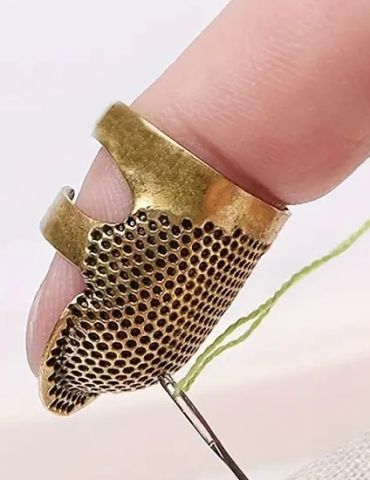
The object is a thimble, a familiar sewing companion usually worn on the middle finger. Its cup-shaped body protects the fingertip, while small indentations catch the back of the needle and help prevent slipping. That combination gives the sewer greater control, particularly when pushing through thick or tightly woven fabric. Before sewing machines became widespread, this modest tool made repeated hand stitching more manageable, reducing the discomfort and risk of needle pricks during demanding everyday work.
But usefulness was only part of its story. Ornate silver thimbles became treasured keepsakes, bringing beauty and personal meaning to an otherwise practical possession. Their appeal never erased their purpose: the same carefully shaped surface still guarded the finger and guided the needle. Small enough to overlook in a sewing box, the thimble remains an enduring example of thoughtful design—proof that an ordinary object can offer both practical comfort and something worth cherishing.