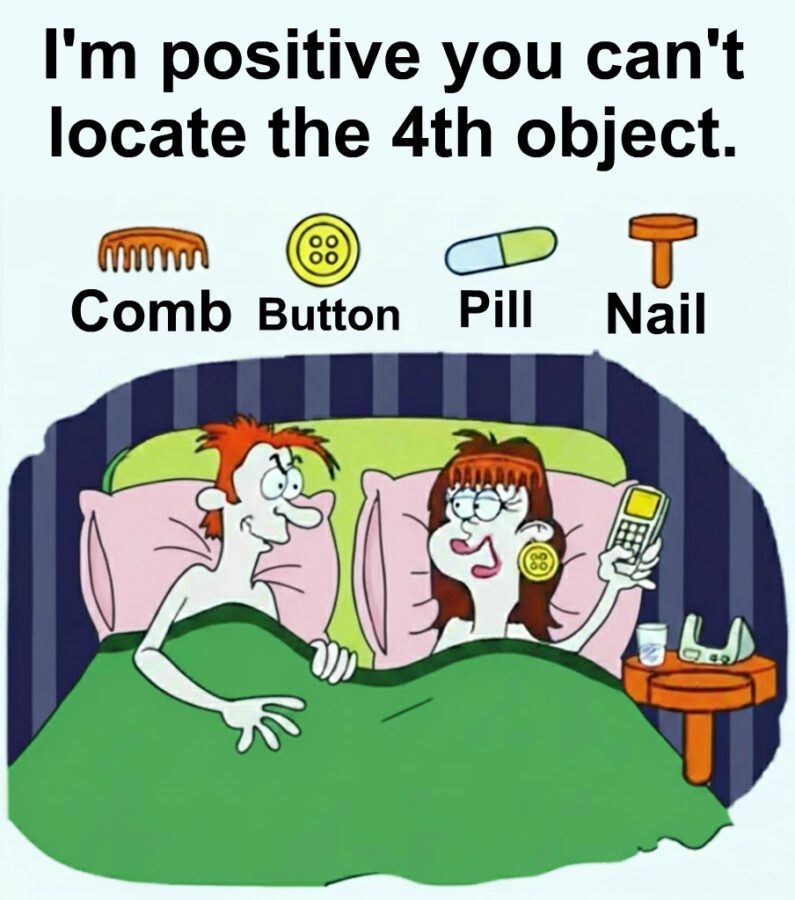
In today’s world, where distractions are everywhere, sitting down to a puzzle offers more than just fun: it’s a great way to exercise your mind. Whether it’s a classic crossword puzzle, a complex jigsaw puzzle, or a spot-the-difference game, puzzles stimulate the mind, boost memory, and sharpen concentration. The image of a stimulating visual puzzle filled with hidden objects perfectly illustrates how these activities significantly stimulate our minds.
Let’s explore together why puzzles are not only entertaining, but also essential for cognitive health, mental well-being, and social connection.
Encourage Teamwork and Cooperation
Completing puzzles together requires communication and collaboration. You learn to share ideas, divide up tasks, and celebrate small victories, all while bonding with friends and family.
Add a Competitive Side
Friendly puzzle competitions can spark excitement and motivate everyone to think faster and smarter, turning mental exercise into an enjoyable social event.
How Puzzles Improve Overall Well-Being
Keeping Your Mind Sharp as You Age
Regularly solving puzzles is a real workout for the brain, helping to slow cognitive decline and maintain mental agility as you age.
Develop Patience and Concentration
Puzzles teach you to slow down and focus intensely—beneficial skills for work, relationships, and personal development.
Conclusion: Adopt puzzles as your brain’s best friend
Puzzles aren’t just a pastime: they’re a true mental exercise, a stress reliever, and a true social glue. From boosting memory to sharpening problem-solving skills, they offer countless benefits, packed with moments of joy and challenge. So, the next time you want to exercise your brain or purposefully relax, pick up a puzzle. Your mind will thank you for the exercise, and your heart for the fun.